A Seat at the Table
I’ve joked for years that I was “raised by wolves.” This is what I mean.
Celebrate

The Experience
I’ve joked for years that I was “raised by wolves”.
It’s my shorthand for saying I didn’t grow up with a tidy roadmap. I learned by watching, listening, tasting, and paying attention. A lot of that education didn’t come from classrooms or kitchens—it came from people who changed how we see food, hospitality, and culture.
If I trace the influences that shaped not just how I cook, but how I move through the world, three names always rise to the top: Anthony Bourdain, Julia Child, and Martha Stewart.
They didn’t just teach us how to eat and travel. They showed us the power of human connection and how to lead our lives in a meaningful way.
Anthony Bourdain: Seeing the World Through Food
Bourdain made it clear early on that food was never the whole story.
“Travel isn’t always pretty. It isn’t always comfortable. Sometimes it hurts, it even breaks your heart. But that’s okay. The journey changes you.”
That idea—that growth comes from discomfort—is one of the most lasting lessons Anthony Bourdain left behind. Tattooed, unpolished, and carrying himself more like a rockstar than a traditional chef, he reshaped what leadership in food could look like. Through No Reservations and Parts Unknown, he transformed food and travel television from polished culinary tourism into something far more human.
He showed us that food is a gateway to understanding people, politics, history, and the quiet realities of everyday life.
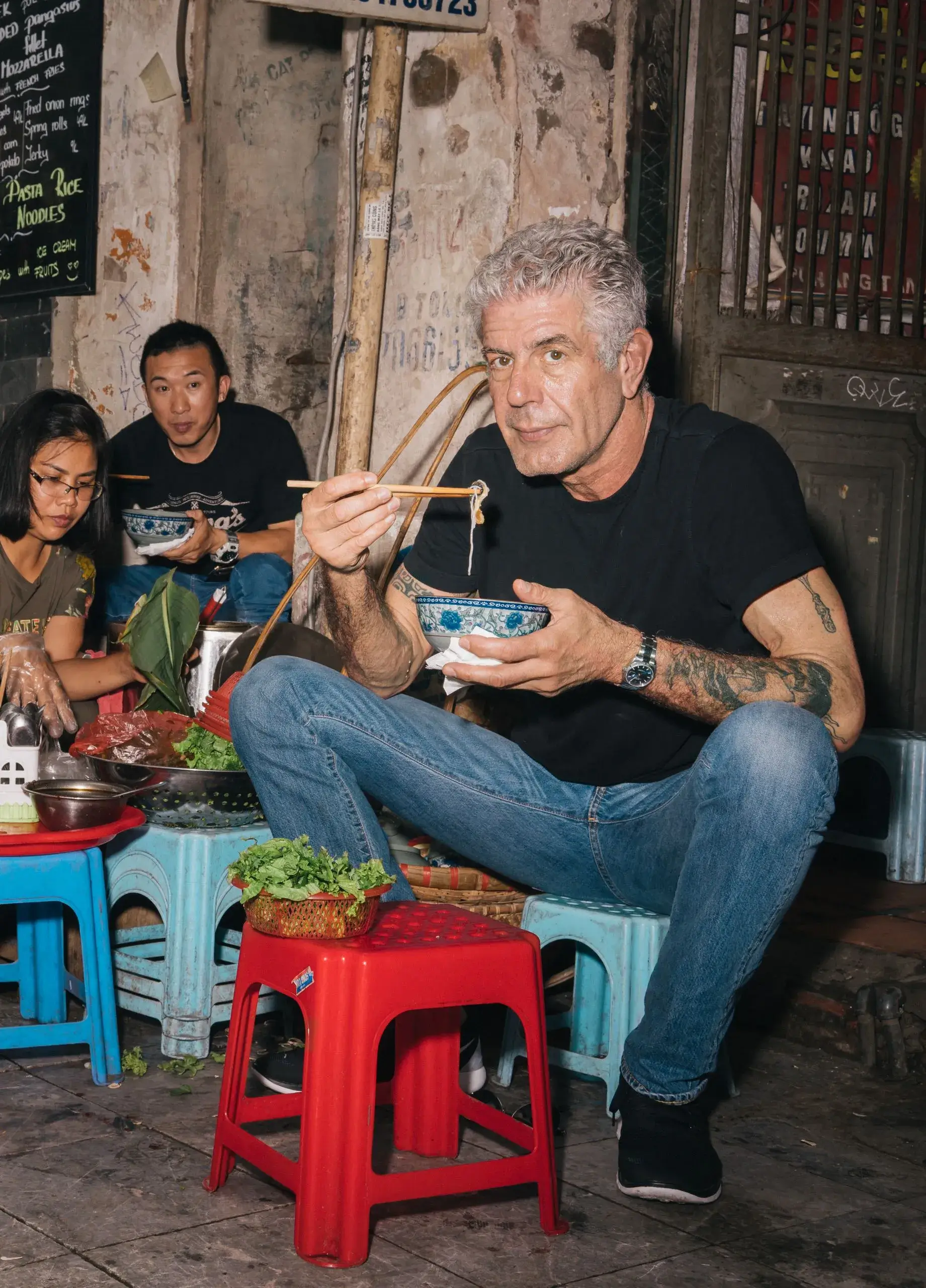
Bourdain demystified international food at a time when much of it was treated as exotic or intimidating. He shifted the spotlight away from white-tablecloth dining rooms and toward street corners, night markets, and humble kitchens—places where food is inseparable from daily life. A bowl of noodles on a plastic stool could be just as powerful as a tasting menu, if you were willing to sit down and listen.
What stayed with me most was his willingness to lean into discomfort. He didn’t sanitize stories or smooth over hard truths. He ate with immigrants, home cooks, line cooks, and communities often overlooked or misunderstood, allowing conversations to unfold honestly. Food was never the destination—it was the invitation.
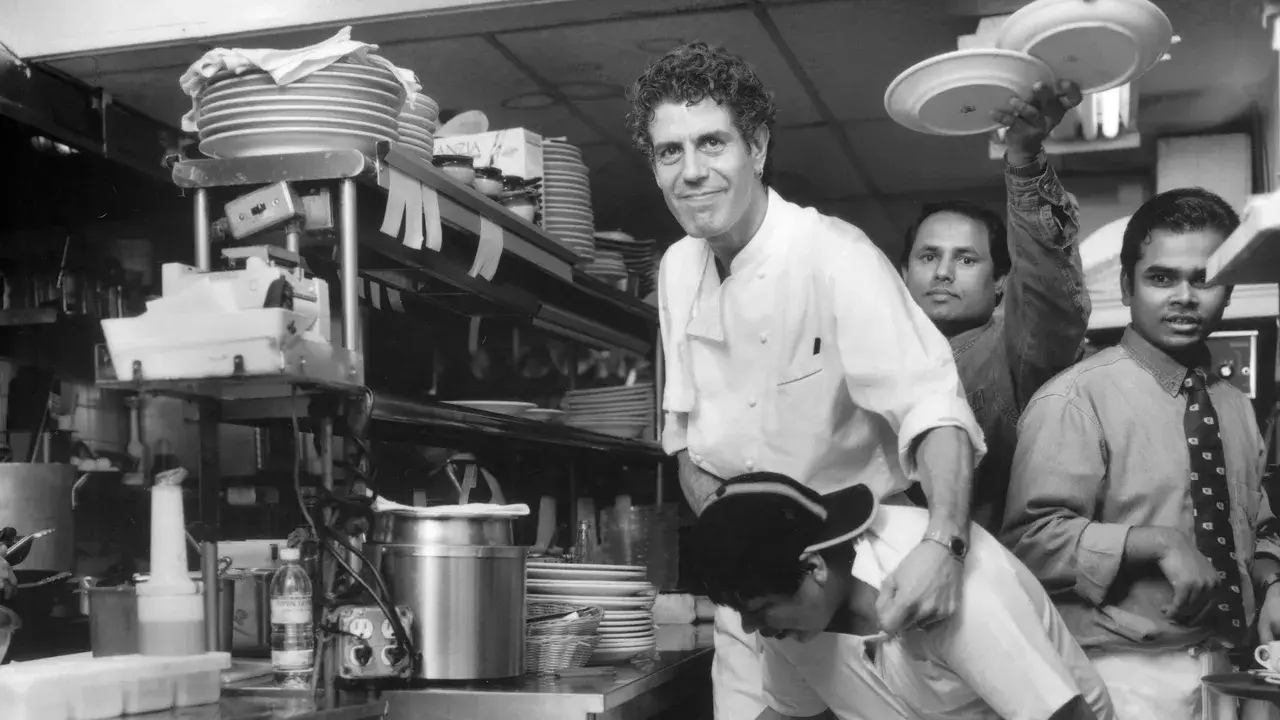
He also reshaped how the culinary industry sees itself. By pulling back the curtain on kitchen life, he challenged the romanticized veneer of the profession and replaced it with something more truthful. Messy. Demanding. Creative. Deeply human.
In doing so, he also reminded us—quietly but powerfully—that chefs are people first. That curiosity and vulnerability can coexist. And that paying attention to our mental and emotional well-being matters just as much as sharpening our skills.
As a chef, that perspective matters. It’s shaped how I travel, how I cook, and how I host. Bourdain reminded us that growth doesn’t come from staying comfortable. It comes from showing up, staying curious, and allowing the journey—however imperfect—to change you.
That lesson continues to guide me, in the kitchen and far beyond it.
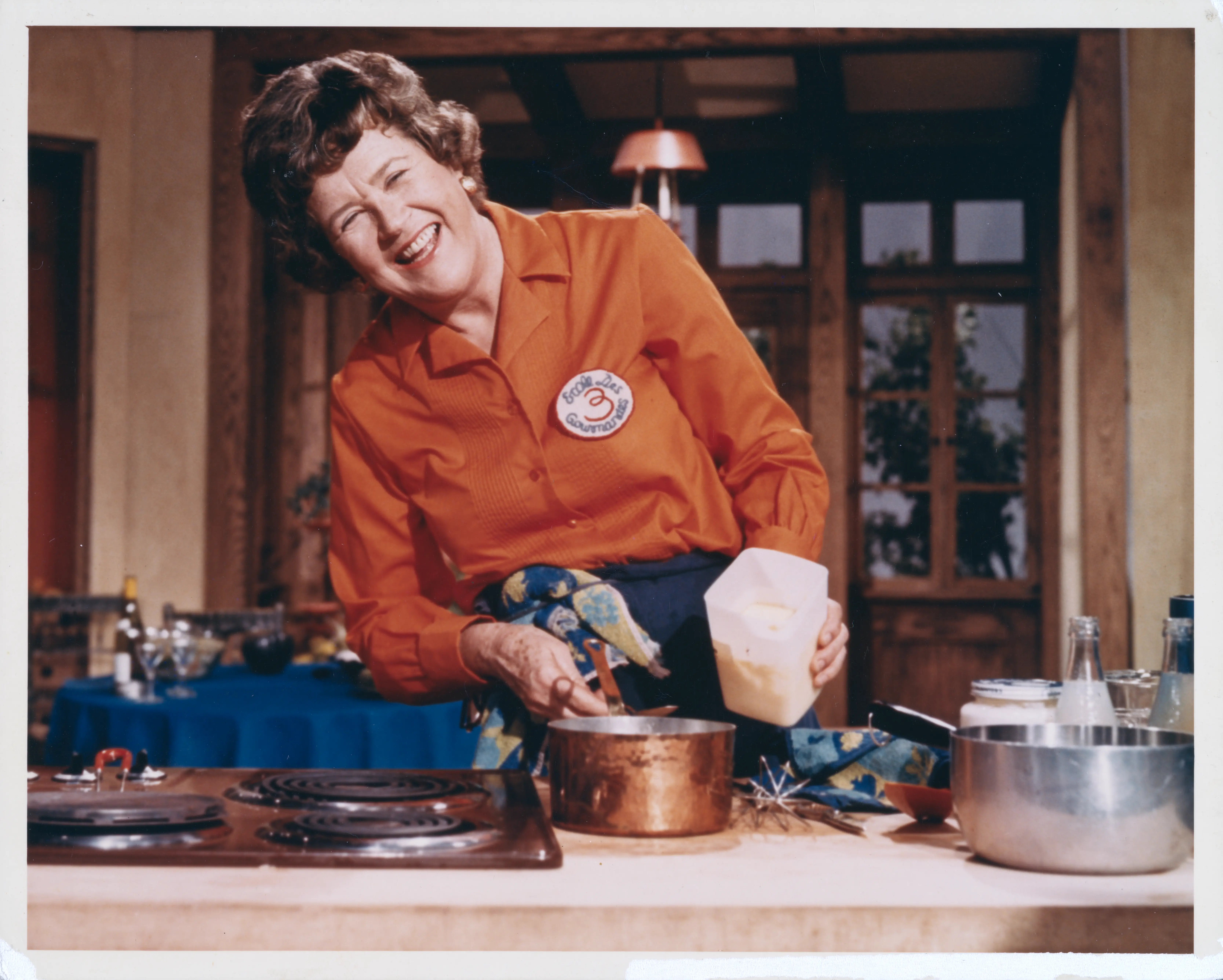
Julia Child: Fearlessness, Joy, and Butter
Julia Child changed everything by refusing to shrink herself.
She cooked with laughter and joy. She made mistakes on camera and kept going. She trusted people to learn hard things—and made them feel welcome while doing it.
“People who love to eat are always the best people.”
That simple sentiment captures so much of what Julia stood for. Food, for her, was never about intimidation or performance. It was about pleasure, curiosity, and bringing people together. She believed that loving food—truly loving it—was the gateway to confidence in the kitchen.
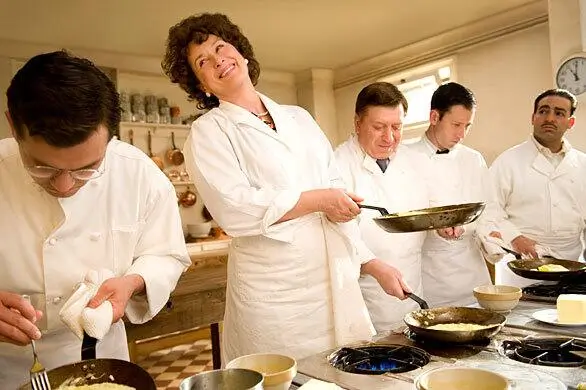
Julia was a trailblazer for women long before the word influencer existed. Through Mastering the Art of French Cooking and The French Chef, she demystified French cuisine and shifted American home cooking away from convenience and toward fresh ingredients, classic techniques, and hands-on learning. Her television presence was revolutionary—unscripted, warm, occasionally chaotic, and completely human.
She built trust not by being aspirational, but by being real. She proved that expertise and warmth could coexist—and that confidence grows through practice, not perfection.
What she gave me was permission.
• Permission to be serious about craft and playful about the process.
• Permission to lead with joy.
• And yes—permission to use butter unapologetically.
That influence lives on in my own work. Each year, I host a Julia Child–inspired dinner at Victoria Ranch, a celebration of her spirit—classic technique, generous tables, and food that’s meant to be enjoyed with laughter and good company.
Julia reminded us that cooking is meant to be shared, enjoyed, and approached with enthusiasm rather than fear. That mindset continues to shape how I cook, how I teach, and how I welcome people to the table.
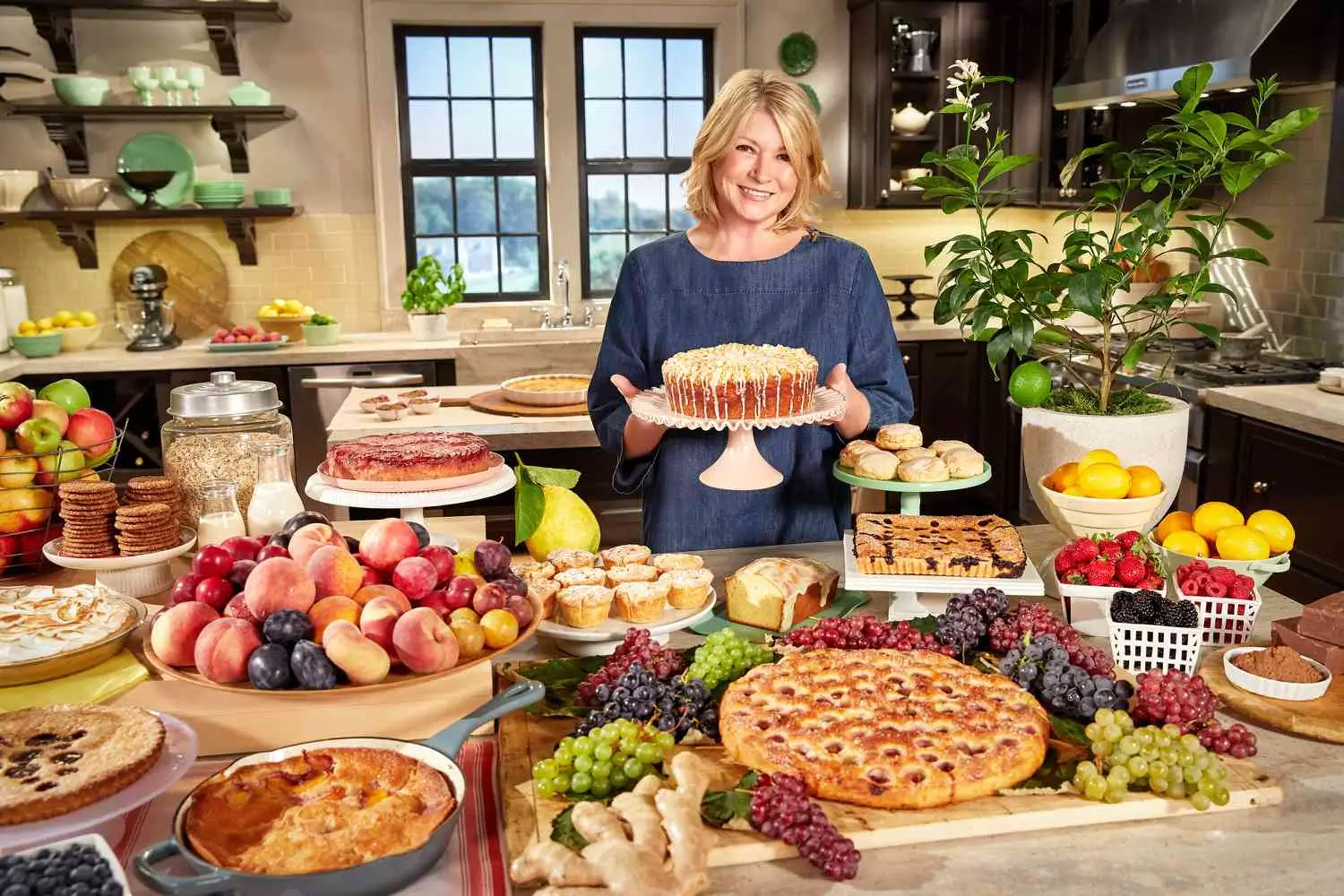
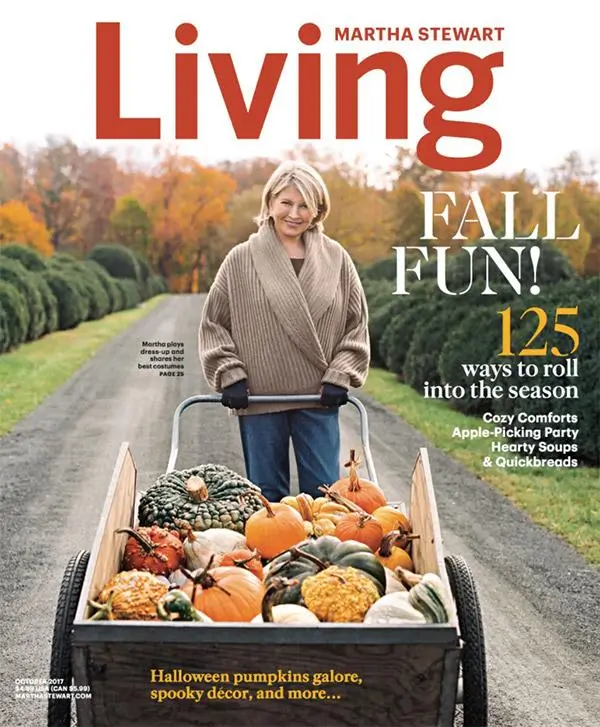
Martha Stewart: The Original Influencer (Before We Called It That)
Martha Stewart showed us that passion, when paired with intention, can build something extraordinary.
“There is no single recipe for success, but there is one essential ingredient: passion.”
Long before “lifestyle brand” became common language, Martha elevated domestic skills—cooking, gardening, entertaining—into respected, modern crafts. She transformed what was often dismissed as ordinary work into something aspirational, thoughtful, and deeply creative.
What makes her impact so enduring is how she approached quality. Details mattered. Preparation mattered. Care mattered. Through magazines, television, books, and products, she built a media empire rooted in expertise and high standards, proving that knowledge—when shared generously—has real value.
Martha was also one of the original influencers, long before social media gave the role a name. She shaped taste, confidence, and culture simply by showing people what was possible when you paid attention. For women especially, she modeled ownership—of skill, of vision, of ambition—at a time when that kind of authority was rarely celebrated.
What I’ve always admired most is her adaptability. Over decades, she continued to evolve, embracing new platforms, new audiences, and new ways of connecting. She showed that longevity isn’t about staying the same—it’s about staying curious, resilient, and willing to reinvent.
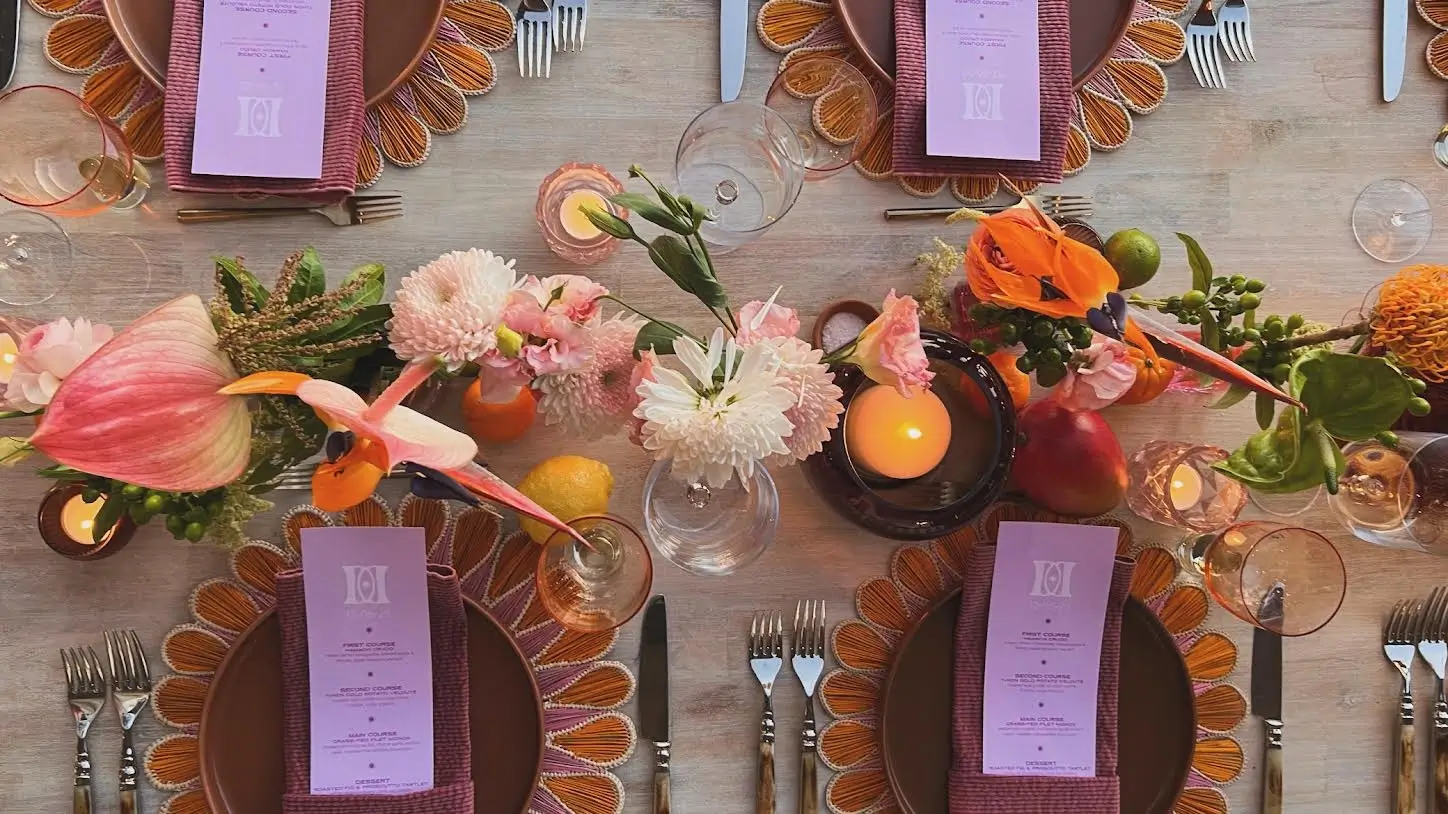
From a chef’s perspective, her influence is everywhere in how I think about hospitality. How a table is set. How a meal flows. How systems support creativity rather than stifle it. Martha reminded us that beauty isn’t superficial—it’s a language. And when done with care, it creates a sense of ease and welcome that guests feel immediately.
Her legacy is a powerful one: passion paired with preparation can turn everyday moments into something meaningful. That belief continues to shape how I build experiences, lead teams, and create work that’s meant to last.
Carrying Their Legacy Forward
I don’t cook like Anthony (but I do have the tattoos and frequent flyer miles to match!).
I don’t teach with Julia’s fearless flair.
And my pantry will never be as perfectly labeled as Martha’s.
But their influence is everywhere in my life and work.
They showed us that food is culture, courage, and connection. That women can lead boldly and shape industries. That influence doesn’t come from shouting—it comes from showing up consistently and authentically.
So yes—I was raised by wolves.
But they were wise ones. Brave ones. Generous ones.
And they shaped the mission I carry forward every day: to create experiences that feel human, thoughtful, and deeply connected to the people around the table.
That legacy still guides me—and I carry it with intention, every time I set the table.
Let’s collaborate on your next event together!
Everything I do comes back to the table.
The lessons I’ve learned from Anthony, Julia, and Martha live in the way I cook, host, and care for the people gathered together. They guide how I create experiences that feel thoughtful, generous, and deeply human.
If this story resonates—if you believe food is about connection, not performance—I’d love to connect. Whether it’s a special dinner or a meaningful gathering, there’s always room for another seat at the table.
Because the best meals don’t just feed us.
They bring us closer and create memories that stay with us for the rest of our lives.
See More
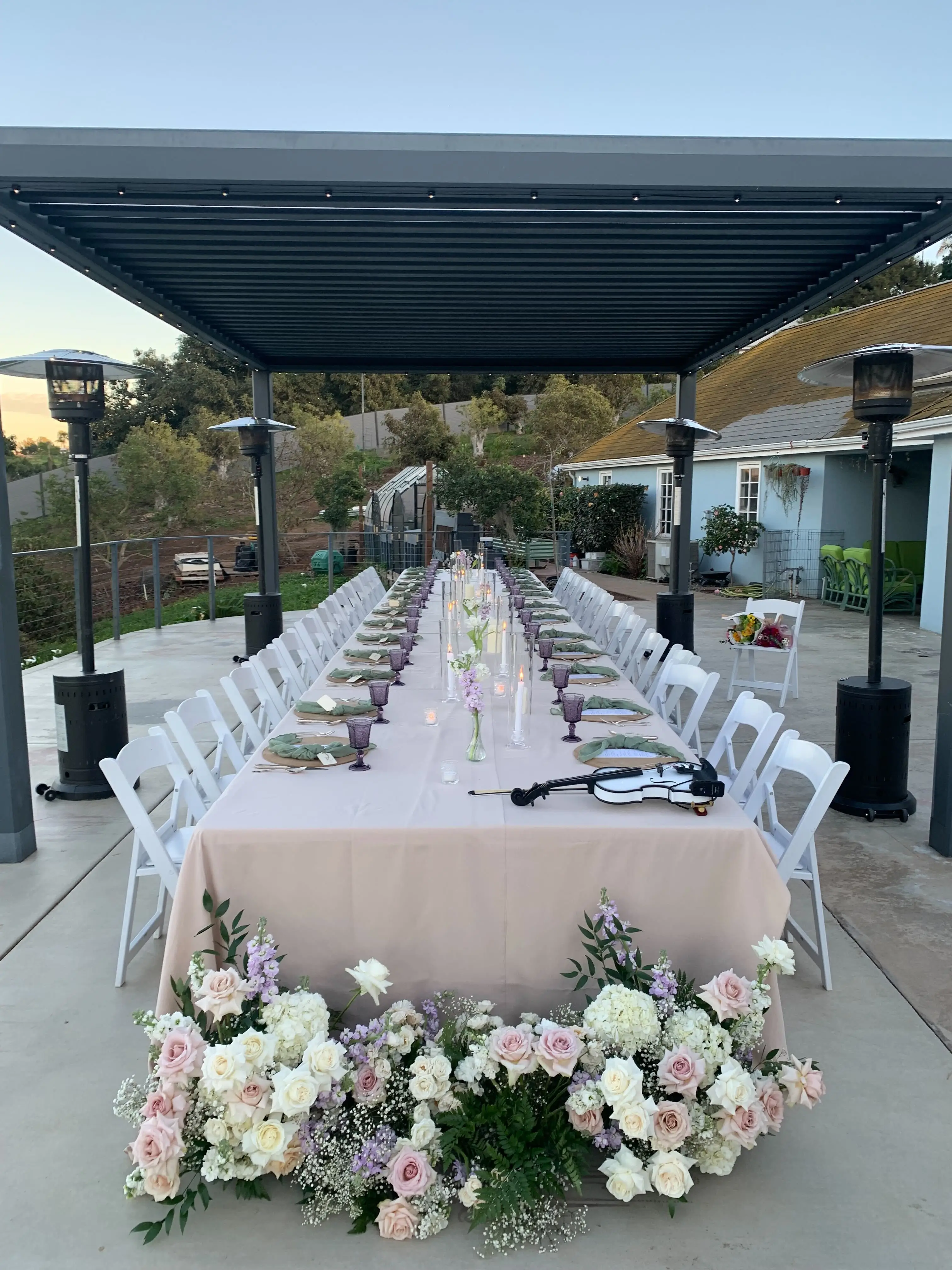
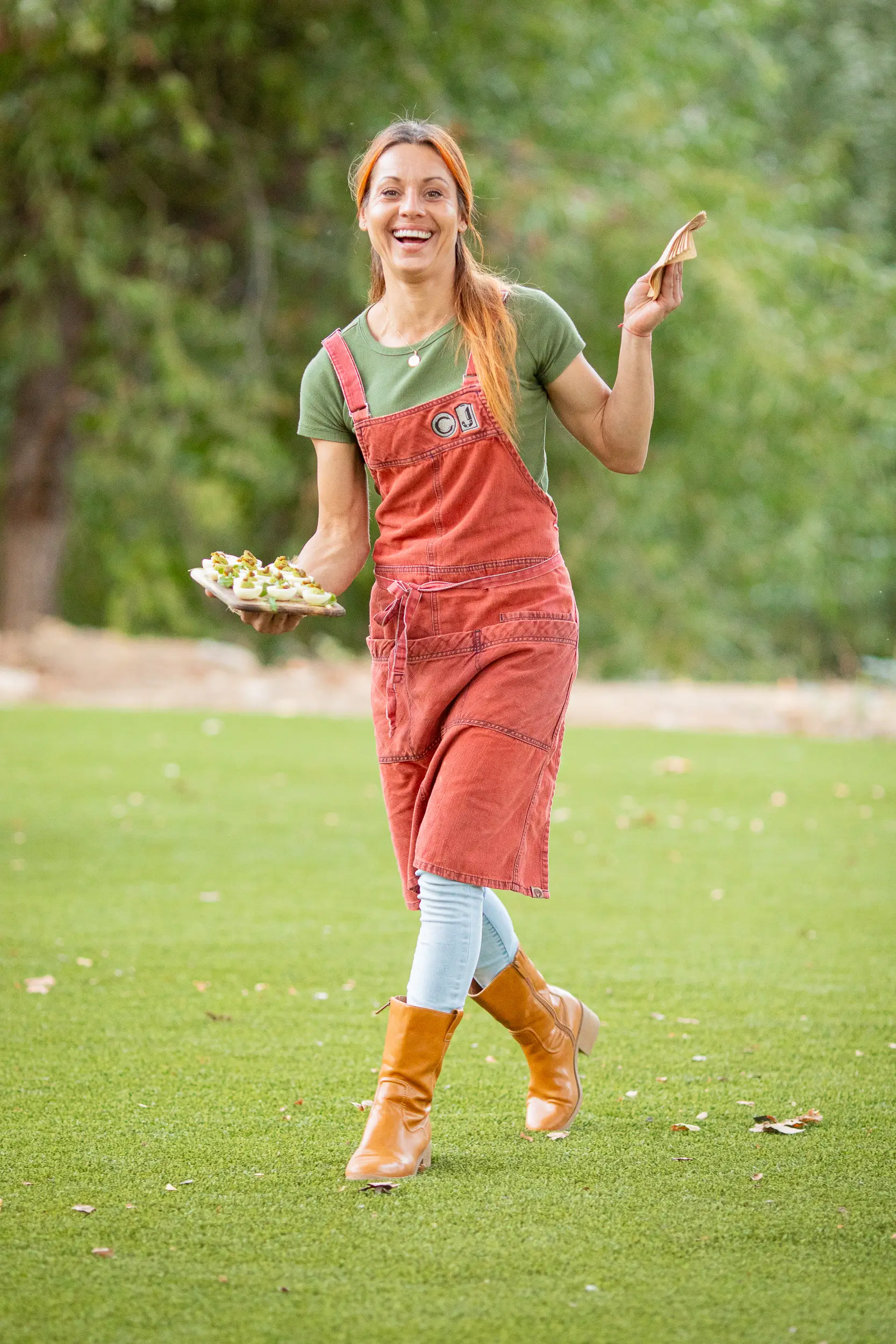
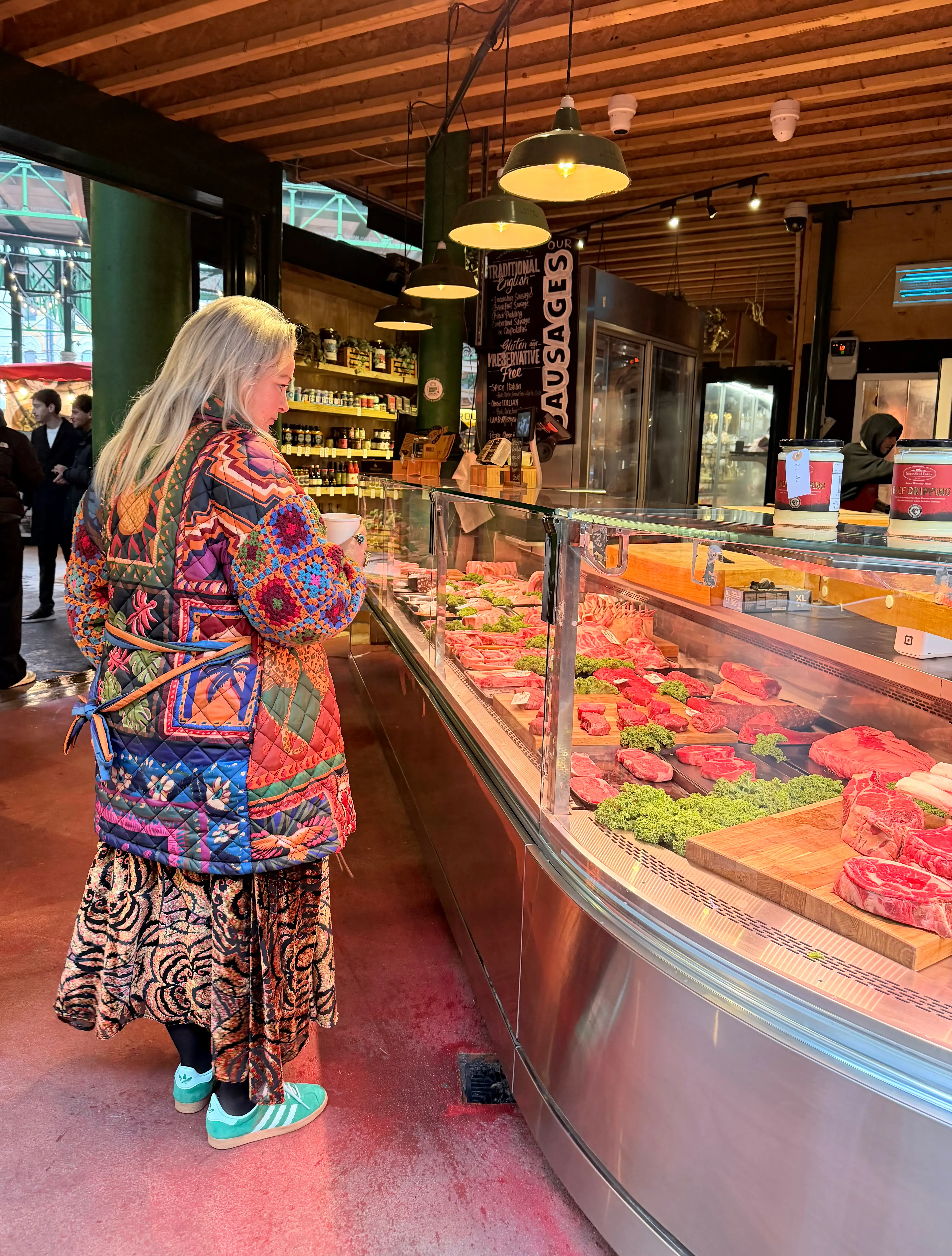
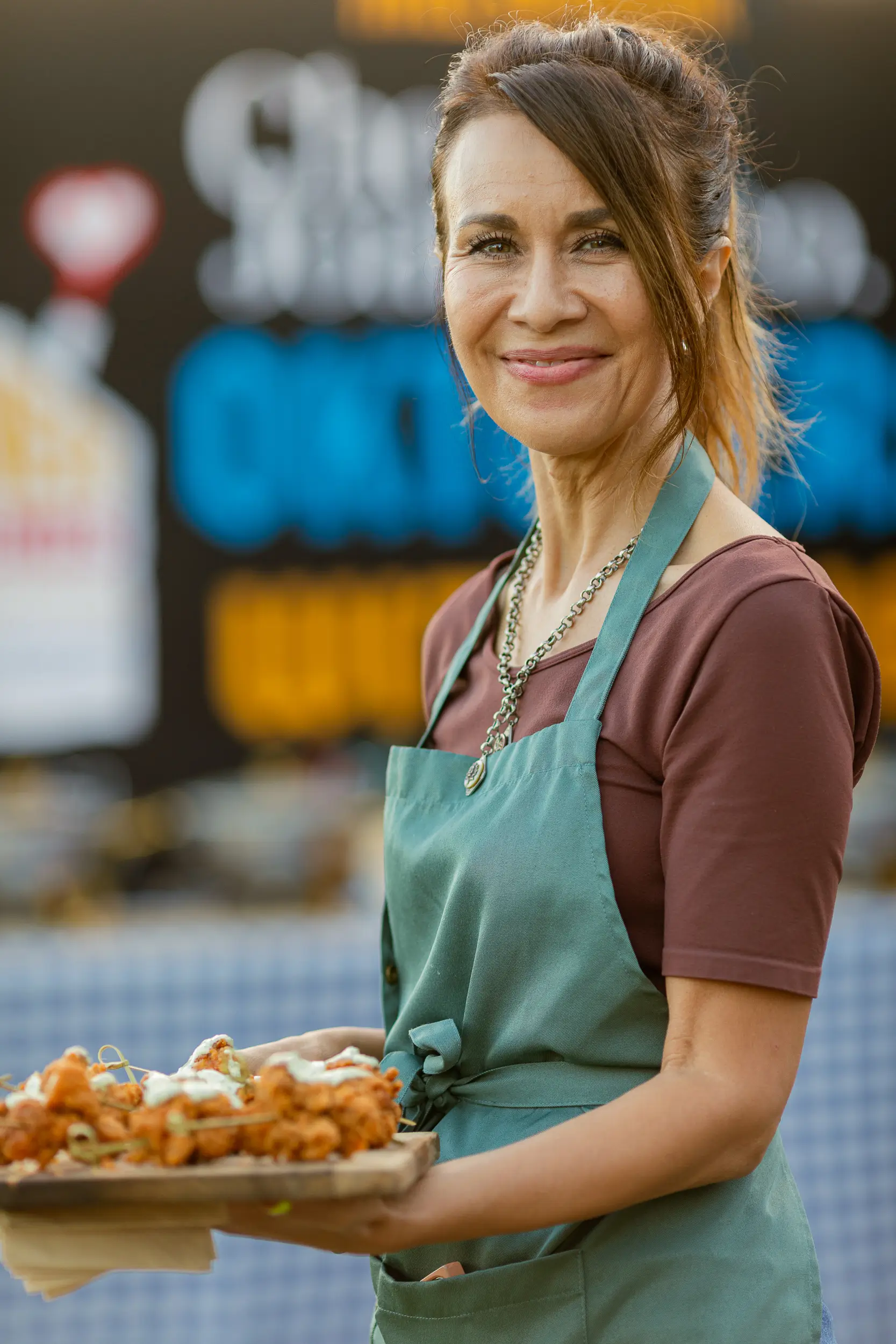
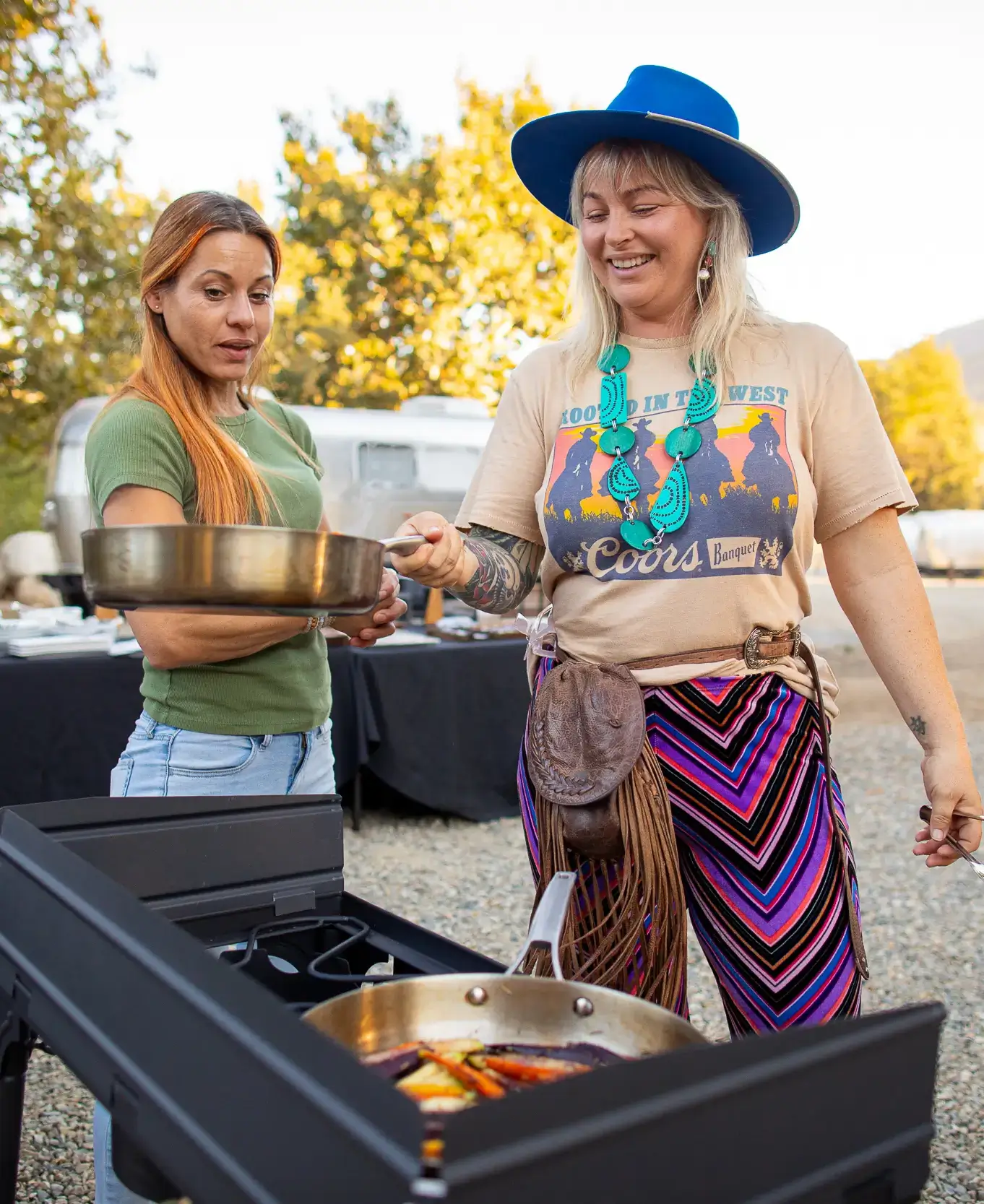
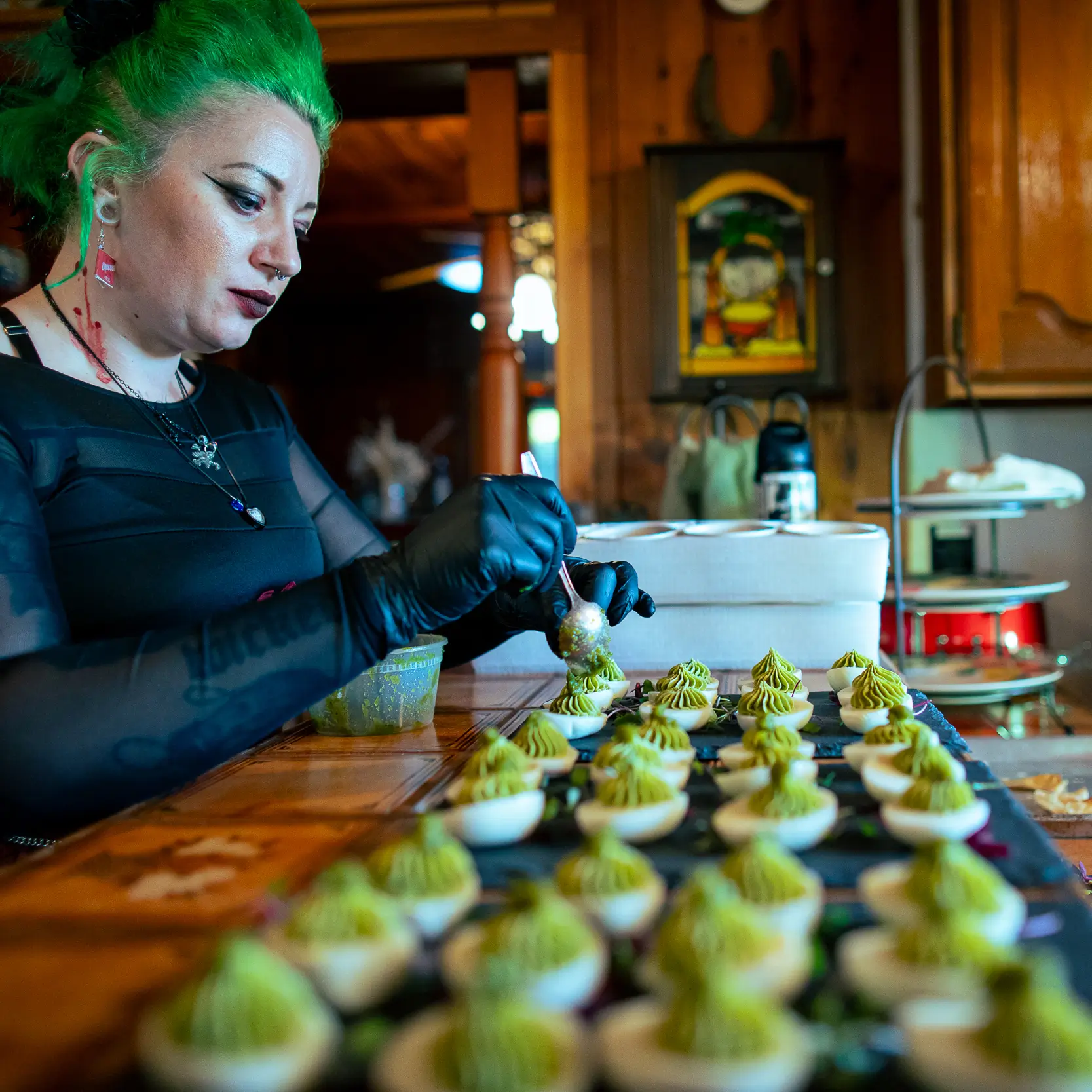
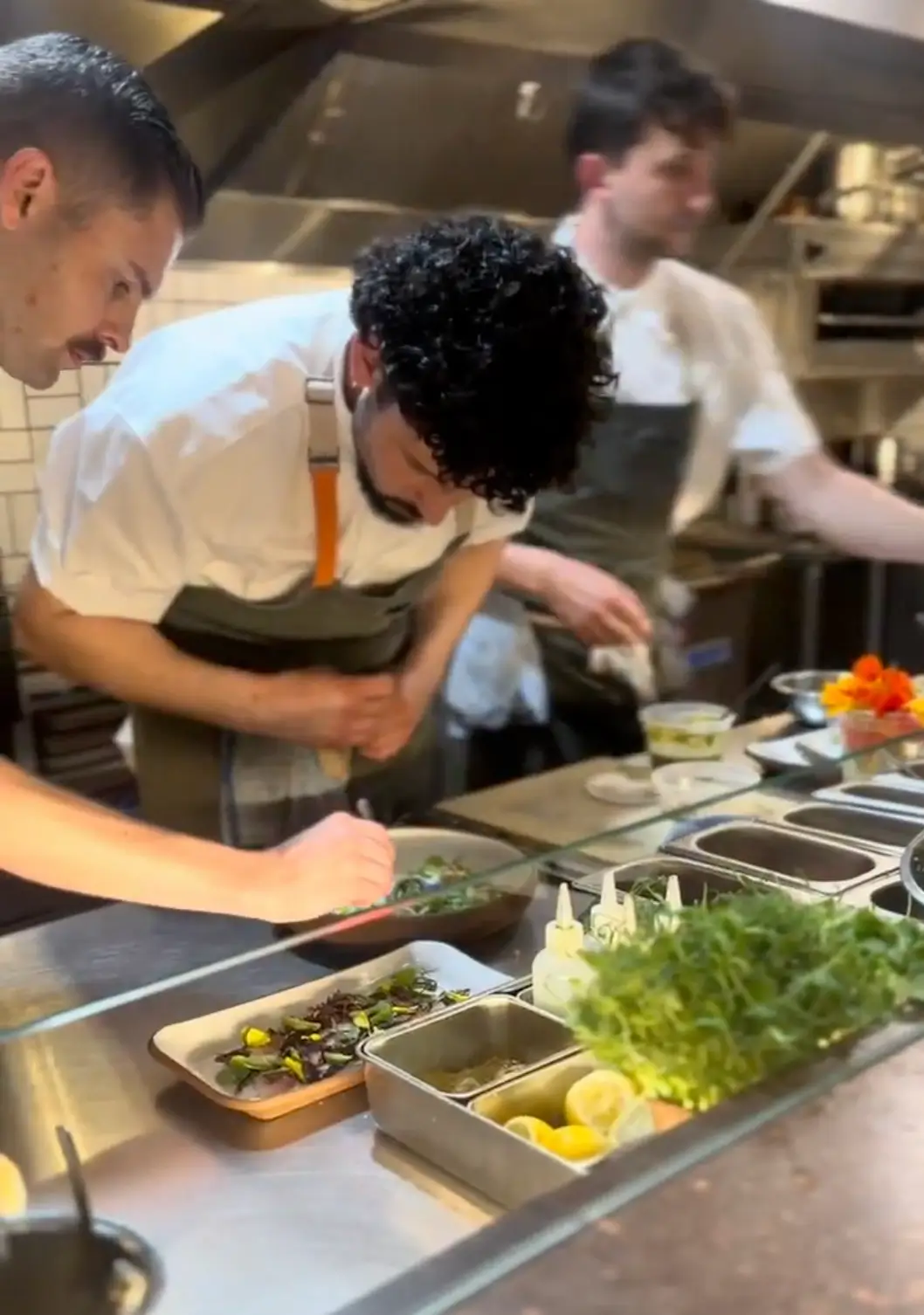
Explore some of our past events where we transformed ordinary moments into lasting memories.


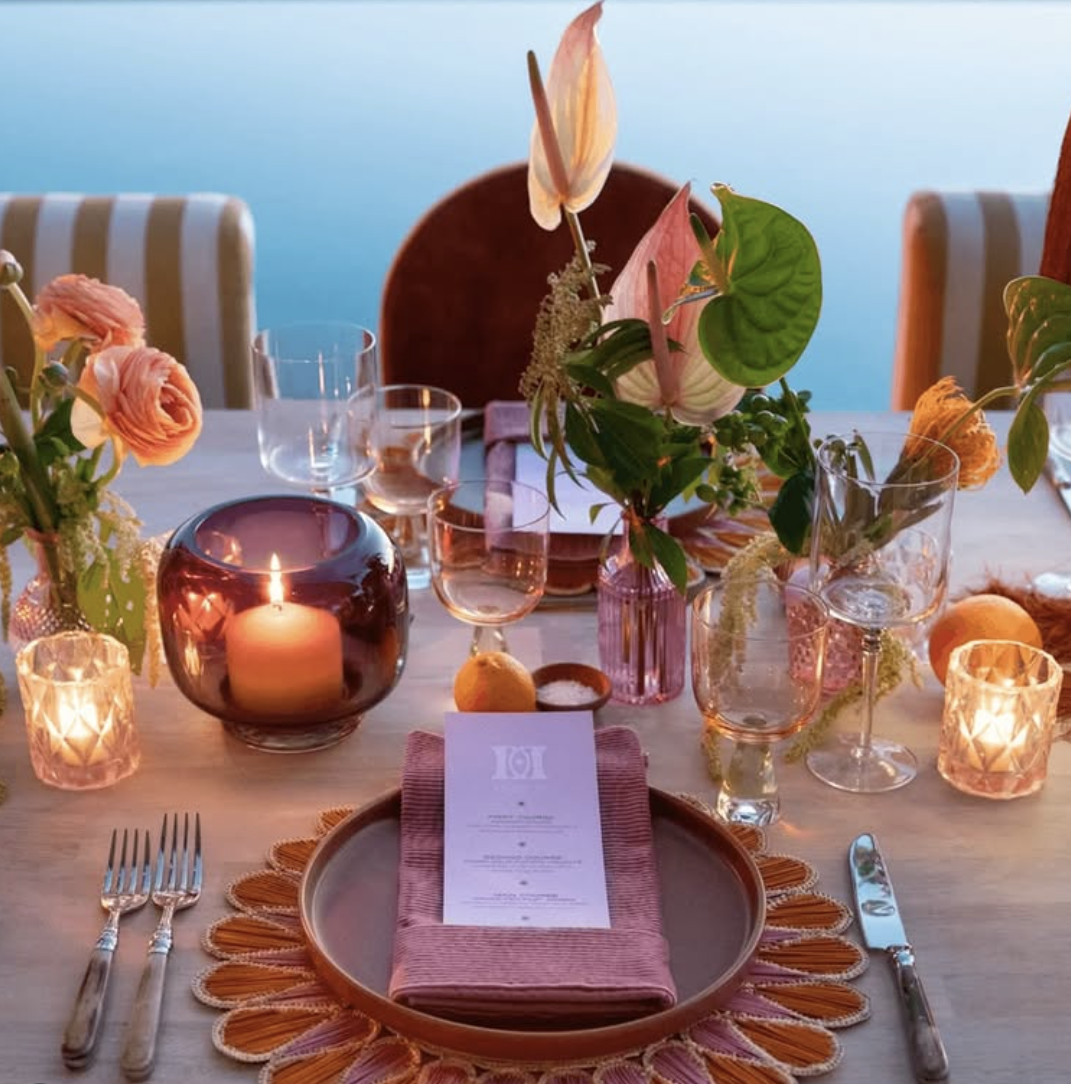








Create your next unforgettable experience with us.
Get the Latest Event Updates
Subscribe to Chef Joann's newsletter for updates on services, special offers, and event planning tips.